Why Table Tennis Reaction Time Training Doesn't Transfer the Way People Expect
Quick Answer: Reaction time improvements gained through table tennis practice are largely sport-specific, tied to recognizing this particular sport’s specific visual cues (spin, paddle angle, ball trajectory) rather than reflecting a general increase in overall reaction speed that would transfer equally to unrelated tasks or sports.
Getting genuinely faster at table tennis doesn’t mean getting faster at everything — the research on skill transfer points to something much more specific happening.
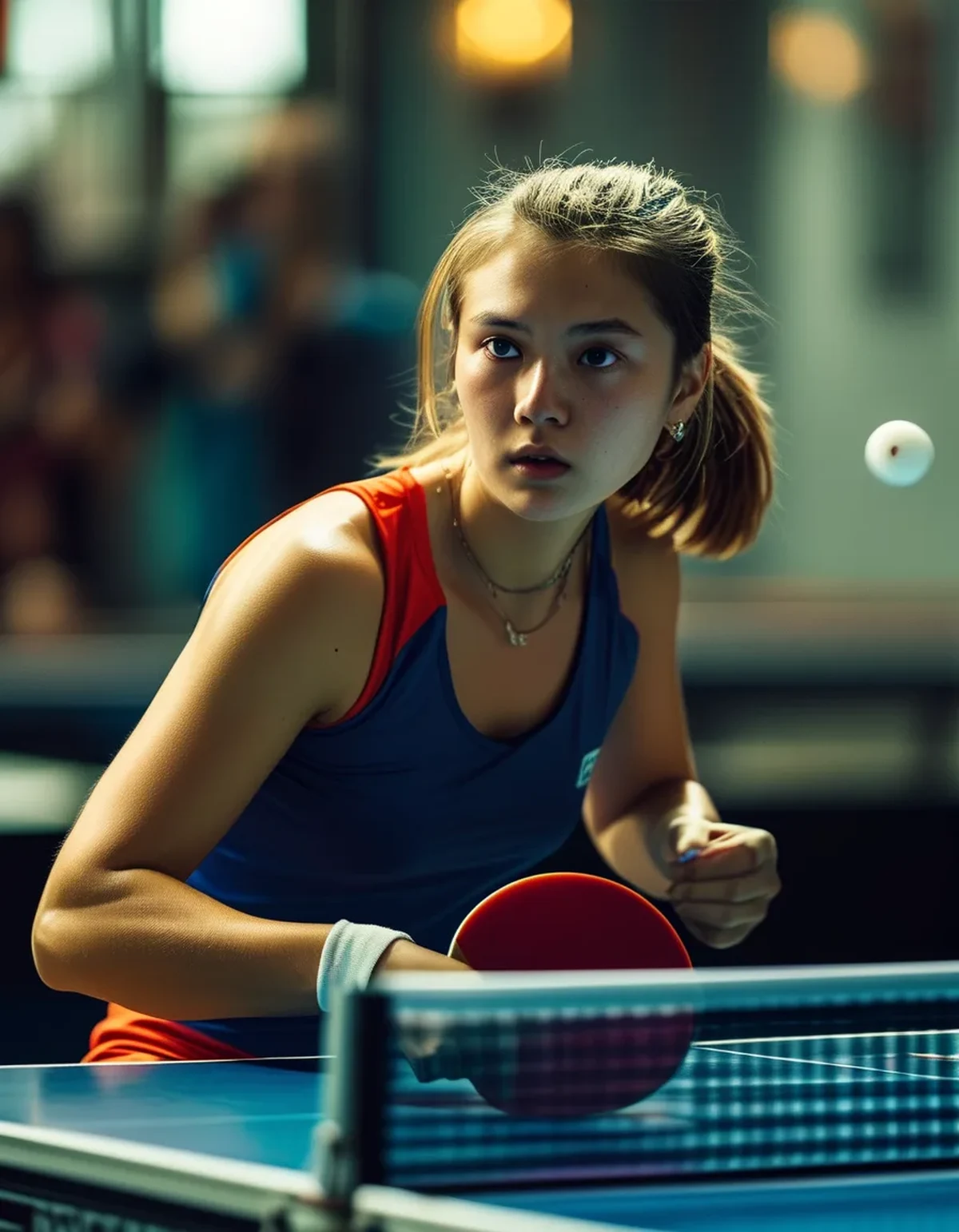
Why wouldn’t faster table tennis reactions carry over to other reaction-based activities?
A significant portion of what looks like “faster reaction time” in an experienced table tennis player is actually pattern recognition of sport-specific visual cues — spin direction, paddle angle, likely trajectory — built through extensive repeated exposure, rather than a generalized increase in raw nervous system processing speed.
This distinction between genuine reaction speed and pattern-recognition-based anticipation is well-documented in sport science research on reaction time, and it’s part of why elite performance in one reactive sport doesn’t automatically predict elite performance in a different one.
What Nobody Tells You About ‘Fast Reflexes’ in Table Tennis
What looks like superhups-fast reflexes in a skilled player is substantially anticipation based on reading an opponent’s setup and ball spin before the ball even fully leaves the paddle — true raw reaction time (responding to something with zero warning) plays a smaller role than it appears to an outside observer.
This is part of why experienced players can return shots that look impossibly fast to a beginner — they’re reacting to cues earlier in the shot sequence, not processing the full ball flight faster than a beginner physically could.
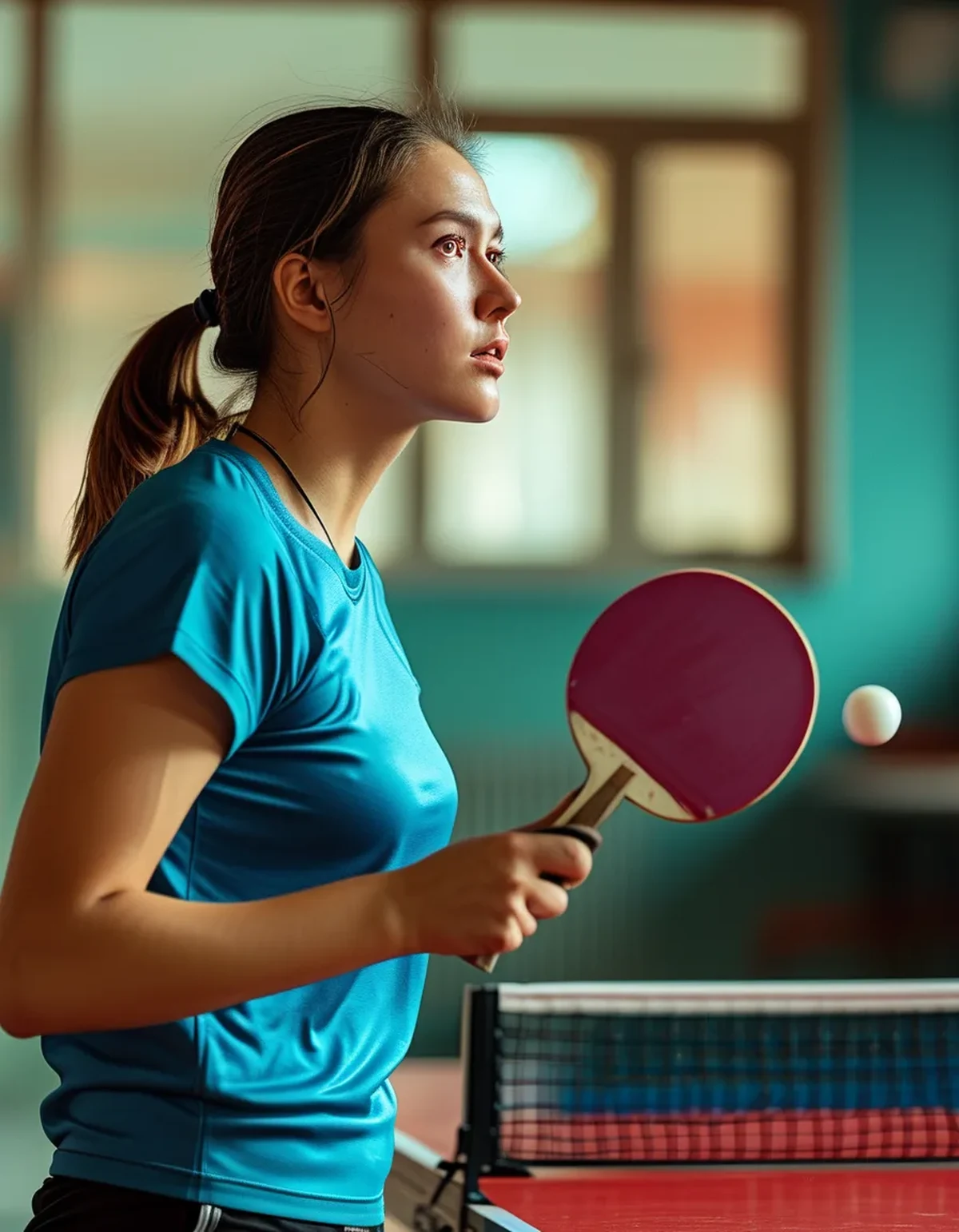
Does this mean training reaction time for table tennis is pointless for other sports?
Not entirely pointless, but the transfer is much more limited than commonly assumed — some general benefits to visual tracking and hand-eye coordination likely do carry over somewhat, but the bulk of the specific speed improvement stays tied to table tennis’s particular visual patterns.
Sports with meaningfully different visual and spatial demands (a sport without a small fast-moving ball and spin, for instance) would be expected to show considerably less transfer than a sport sharing more visual similarities with table tennis.
How does this compare to reaction time transfer in badminton, a visually similar sport?
Table Tennis Versus Badminton Reflexes: both sports share some visual similarities (fast, small projectile, need for quick reads), which likely supports somewhat more transfer between them than to a visually dissimilar sport — though even this transfer is a partial, not complete, overlap rather than a fully general reaction time boost.
Genuinely testing this transfer would require controlled comparison, but the sport science consensus generally favors specificity of trained skill over broad general transfer across most reaction-based sport pairings.
FAQ: Table Tennis Reaction Time Questions, Answered
Is table tennis still a good way to improve cognitive processing speed generally?
Some research suggests general cognitive benefits from table tennis’s combination of fast visual tracking and physical coordination, though this is distinct from the specific sport-reaction-time transfer question.
Can reaction time training drills specifically designed for table tennis help a beginner faster than just playing matches?
Yes, dedicated drills targeting specific visual cues (spin recognition, paddle angle reading) are often considered more efficient for building this pattern recognition than unstructured match play alone.
Does age affect how much reaction time training can still improve in this sport?
While raw reaction speed may decline somewhat with age, pattern recognition and anticipation skill can still meaningfully improve at nearly any age with consistent practice.
TL;DR:
- Most table tennis “reaction speed” is actually learned pattern recognition of sport-specific cues
- True raw reaction time plays a smaller role in elite play than it appears to outside observers
- This specificity means the skill transfers only partially, if at all, to visually dissimilar sports
- Badminton, sharing more visual similarity, likely sees somewhat more transfer than unrelated sports
The fast hands aren’t magic or universal — they’re a highly specific, trainable skill tied closely to table tennis’s own particular visual patterns.
Keep Reading
This article is for general informational and styling purposes only. Fit, sizing, and product availability may vary.