Table Tennis vs Badminton: Which Actually Builds Better Reflexes?
Quick Answer: Table tennis generally demands faster raw reaction time due to shorter reaction windows at close range, while badminton trains reflexes combined with more full-body movement and court coverage — both build genuine reflex skill, just through different demand profiles.
You’re deciding between the two for something beyond just fun, and the reflex-training reputation both sports carry is well earned, though for different reasons.
Why does table tennis have such a strong reputation for reaction time?
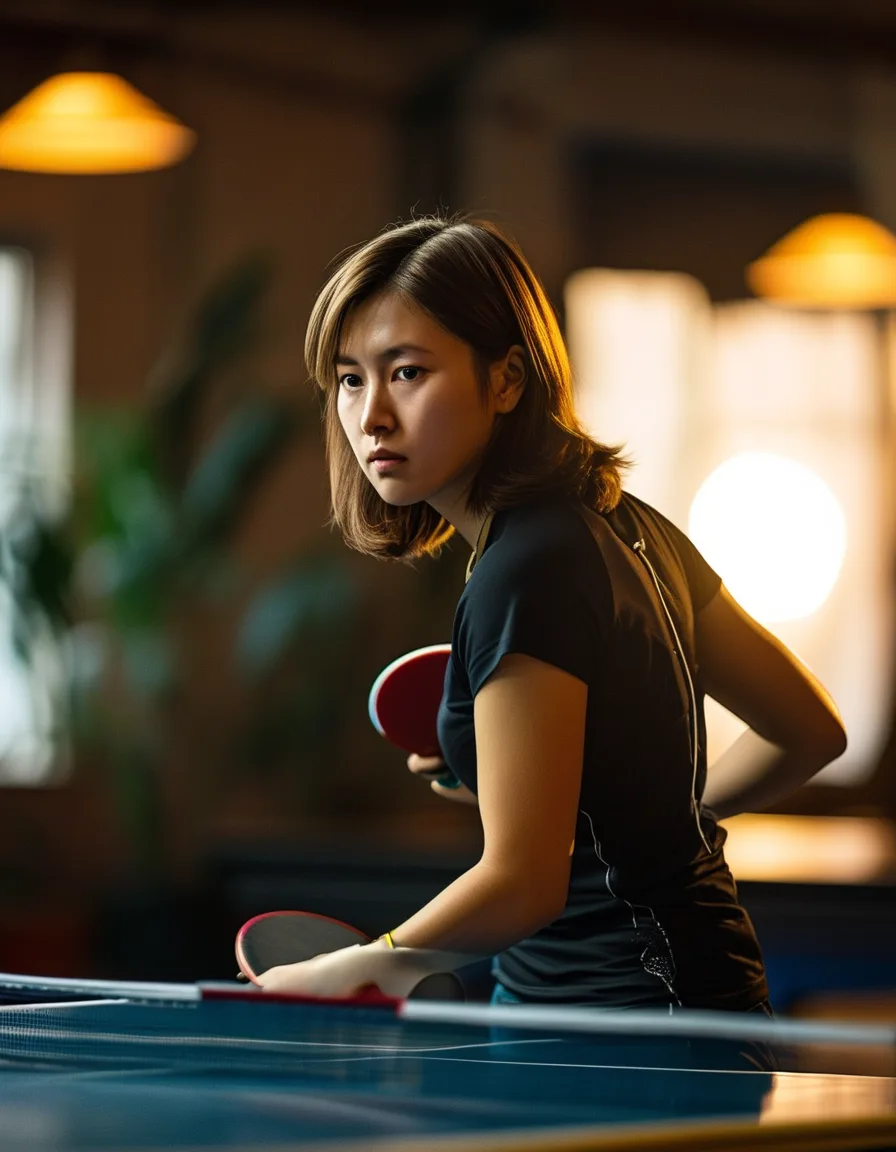
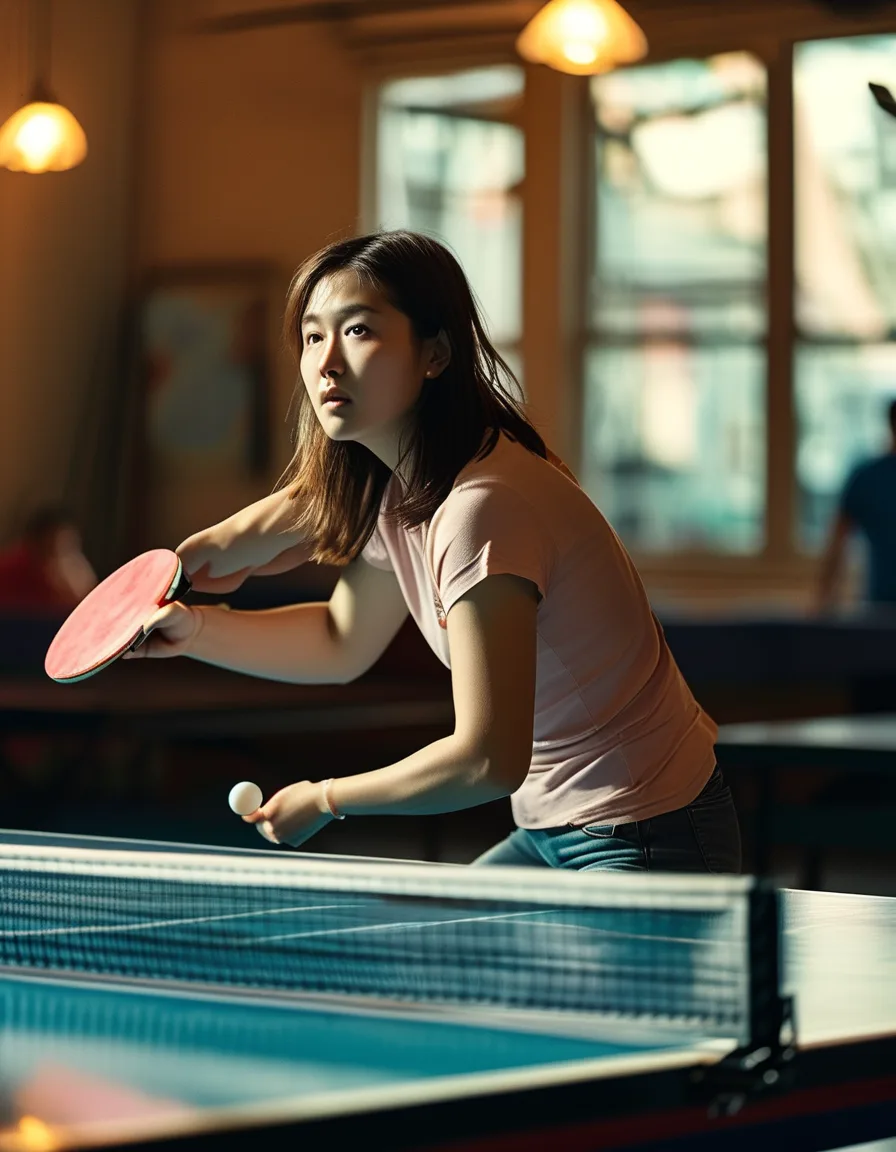
The ball travels a short distance at high speed, giving players a genuinely tiny reaction window — often cited around 150 milliseconds at competitive level, among the shortest of any racket sport. This forces the visual and motor system to process and respond faster than almost any comparable activity.
This is why table tennis shows up repeatedly in research on sports and cognitive processing speed — the demand is close to the physiological limit of human reaction time.
How does badminton’s reflex demand differ?
Badminton’s shuttlecock decelerates rapidly after being hit, which actually gives slightly more processing time than table tennis in some situations, but the added demand comes from combining that reaction with much larger court coverage — you’re reacting while also covering significant lateral and forward-back distance. It’s reflexes plus whole-body athleticism, not reflexes in relative isolation.
This combined demand is part of why badminton is often rated among the more physically taxing racket sports overall, despite the shuttlecock’s deceleration.
Does one transfer better to general everyday reflexes?
Neither transfers as broadly as people assume — reaction time improvements from either sport tend to be fairly sport-specific rather than generalizing widely to unrelated tasks, a consistent finding across reflex-training research. You’ll likely get noticeably faster at that sport’s specific visual-motor demands, less so at reflexes generally.
That said, both offer real, measurable improvement in visual tracking and hand-eye coordination that has some transfer to other fast-paced activities, just not as much as marketing sometimes implies.
What Nobody Tells You About Age and Reflex Training
Reaction time naturally slows with age, but both sports show measurable benefit for older adults specifically — studies on table tennis and cognitive aging have found associations with better processing speed in older players compared to non-players. This makes either sport a genuinely good choice for reflex maintenance later in life, not just for young competitive athletes.
The accessibility of table tennis in particular (lower physical impact, adaptable pace) makes it a common recommendation in cognitive aging research specifically.
So which one should you actually pick?
If pure reaction speed and a lower-impact option is the priority, table tennis has the edge. If you want reflex training combined with more cardiovascular demand and full-body athleticism, badminton delivers more of both at once. Neither choice is wrong — the better answer depends on whether you’re optimizing for reflexes specifically or fitness plus reflexes together.
Playing both, even casually, covers more of the reflex-training spectrum than committing to just one.
TL;DR:
- Table tennis demands faster raw reaction time due to short distance and high ball speed
- Badminton combines reflex demand with greater court coverage and full-body movement
- Reflex gains from either sport are mostly sport-specific, not broadly transferable
- Both show real cognitive benefit for older adults specifically, not just competitive players
Both sports earn their reflex-training reputation — the right pick depends on whether you want pure reaction speed or reflexes paired with more athletic demand.
Keep Reading
This article is for general informational and styling purposes only. Fit, sizing, and product availability may vary.