Table Tennis Serves: How to Serve With Spin and Variety (and Win More Points)
Quick Answer: The serve is the only shot in table tennis you control completely, and most beginners never practice it. Learn three spins — backspin, topspin, sidespin — then vary placement, depth, and length so opponents can’t read you. Drill solo with a bucket of balls; 15 minutes, 3 times a week will win you more points than any other practice you do.
Here’s a stat that should bother you: in a game to 11, you serve five or six times. That’s five or six opportunities where your opponent does nothing and the ball does exactly what you decided it would do.
Most recreational players spend zero minutes practicing this and hours practicing forehand loops they’ll hit maybe twice a rally. The serve is the most underrated shot in table tennis, and it’s the easiest place to steal free points.
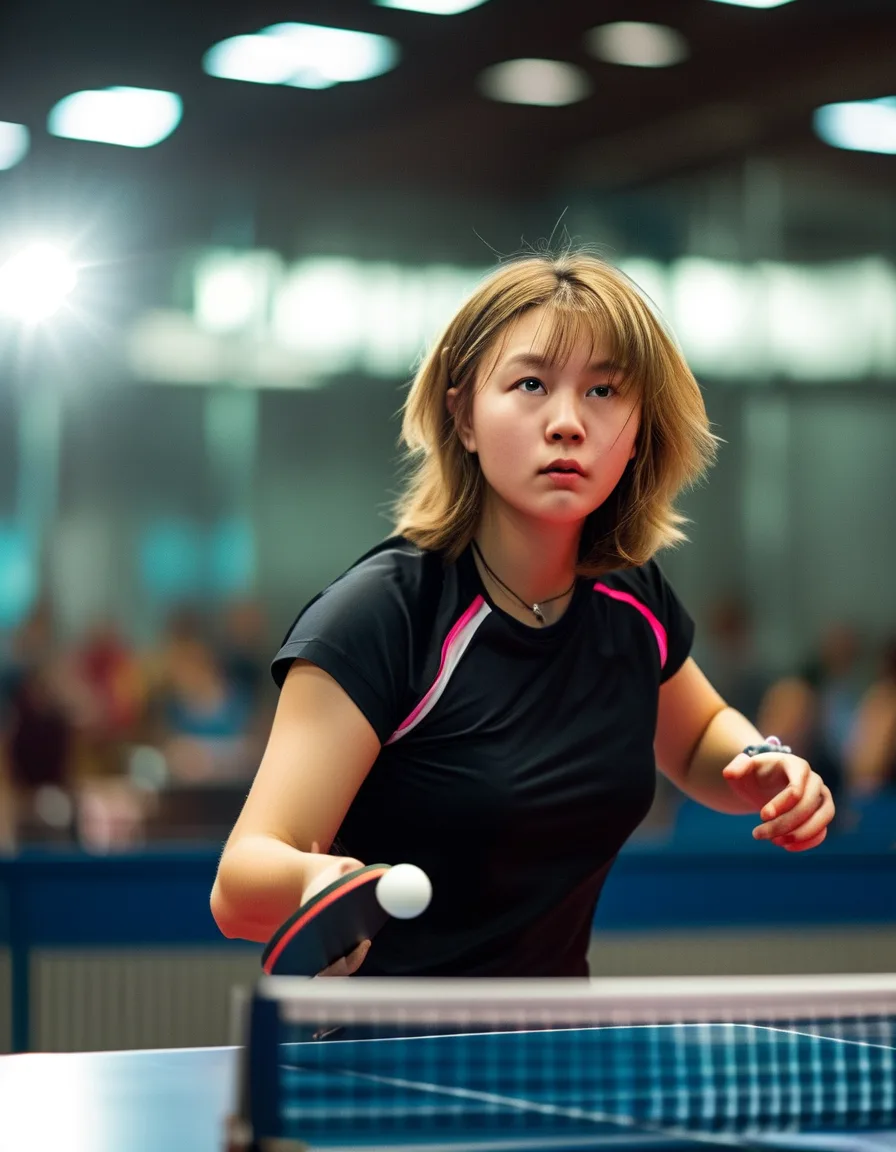
Why Is the Serve So Important in Table Tennis?
Four reasons, and the first one is decisive.
It’s the only shot with zero reaction pressure. Every other stroke is a response to what your opponent did. The serve is entirely yours — your toss, your contact, your placement, your timing. No other shot lets you execute a plan.
It wins points before the rally starts. A well-disguised heavy backspin serve produces a ball into the net or a floating return you can attack. That’s a point won in the first two contacts.
Spin and variety, not power, are what make it work. Beginners try to serve fast. Fast serves are easy to block back. Spin and unpredictability are what actually cause errors.
Almost nobody practices it. This is the arbitrage. Your opponents at the club have neglected the same shot you have — which means modest serve practice creates a disproportionate edge.
What Are the Basic Table Tennis Serves?
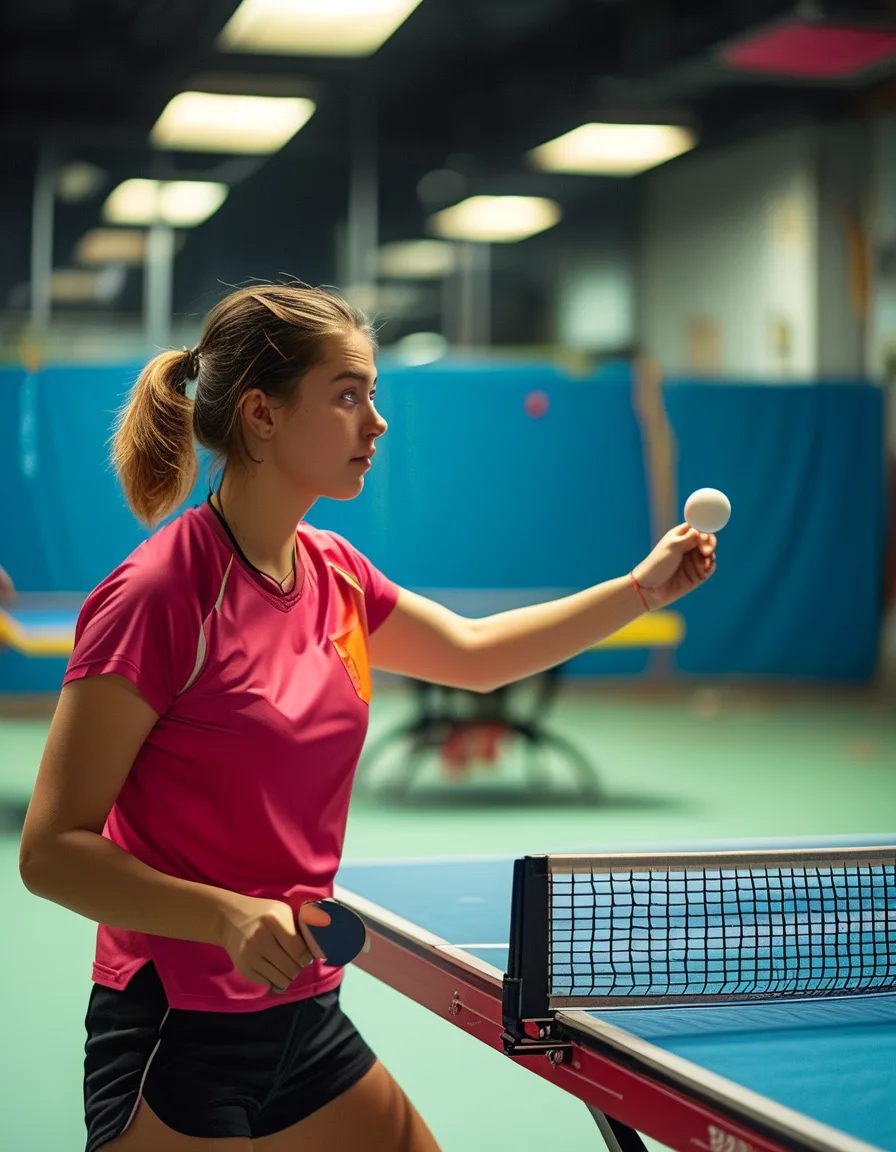
First, serve legally. The rules are specific and worth knowing: the ball rests on an open flat palm, is tossed at least 6 inches (16 cm) straight up, and must be struck behind the end line with the ball visible to your opponent throughout. A hidden serve is illegal, and in any organized play it’ll be called.
Backspin (chop) serve. Brush the bottom of the ball with an open racket face, moving down and forward. The ball comes back toward the net after bouncing. This is the highest-value serve for beginners because a mis-read backspin serve goes straight into the net.
Topspin serve. Brush over the top of the ball, closed racket face, forward and up. The ball dips fast and kicks forward off the bounce, jumping past players expecting backspin.
Sidespin serve. Brush across the side of the ball, left or right. The return curves sideways — most beginners simply miss the table entirely on their first few sidespin returns.
Then combine. Side-backspin and side-topspin are where the real deception lives, because they’re hardest to read from racket motion alone.
And vary everything else:
- Placement — wide forehand, wide backhand, and straight at the elbow (the crossover point is the single most awkward spot to return from)
- Length — a short serve that bounces twice on their side prevents attacking; a long fast serve catches them leaning in for a short one
- Speed and depth — mix them deliberately rather than by accident
Disguise is the multiplier. Use the same backswing for different spins and change the direction only at contact. A serve your opponent can read is just a slow rally ball, no matter how much spin it has.
5 Serving Mistakes Everyone Makes
The third one is why your good serves keep getting attacked.
- Serving the same thing every time. Even an excellent serve becomes free points for your opponent by the third game if it never changes.
- Going for speed instead of spin. A fast flat serve is the easiest ball in table tennis to block back hard.
- Serving too long by default. A long serve that isn’t fast is an invitation to loop. If you’re getting attacked off your serve, shorten it — a serve that bounces twice on their side can’t be attacked at full power.
- Telegraphing the spin. Different backswings for different serves means your opponent has already decided their return before you contact the ball.
- Not having a plan for the third ball. The serve sets up your next shot. Know which return you’re expecting and be ready to attack it — the serve and the third ball are one unit.
How Should You Practice Your Serve?
Solo drilling is the whole answer, and it’s why serve practice is so efficient — you don’t need a partner.
- Get a bucket of balls. 50–100 balls means you serve continuously instead of chasing after each one. This single purchase is what makes serve practice actually happen.
- Put targets on the table. A sheet of paper or a spare box in each corner. Serve 20 at one target, then switch. Placement improves fast when it’s measurable.
- Work one spin per session. Twenty minutes on backspin only will teach you more than sixty minutes cycling through everything.
- Test your spin honestly. Serve backspin onto the table with no opponent — if it doesn’t come back toward the net, you’re brushing the ball, not slicing it.
- Practice at home if you have a table. Serving needs only your half of the table, so even limited space works.
- Be consistent: 15 minutes, 3 times a week. More than that isn’t necessary; less than that won’t build the feel.
One nice bonus of putting the hours in: table tennis is repeatedly studied for its coordination and cognitive demands, and it’s a genuinely low-impact way to move — comfortable shoes and high waist yoga leggings or shorts you can lunge in, and you’re set for an hour that doesn’t feel like exercise.
Mini FAQ
How high do you have to toss the ball when serving?
At least 6 inches (16 cm) straight up from an open flat palm, struck behind the end line and visible to your opponent throughout. Casual play often ignores this, but it’s called immediately in any organized competition.
What’s the best serve for a beginner to learn first?
A short backspin serve. It’s the hardest for inexperienced opponents to return without popping it up or hitting the net, and it teaches the brushing contact that every other spin serve depends on.
How do you stop your serve from being attacked?
Serve shorter — a ball that bounces twice on your opponent’s side can’t be looped at full power. Then vary placement and spin so they can’t set up before you’ve even contacted the ball.
TL;DR:
- The serve is the only shot you fully control, and almost nobody practices it.
- Learn backspin, topspin, sidespin — spin and variety beat speed every time.
- Vary placement, length, and depth; aim at the elbow as well as the corners.
- Disguise it — same backswing, different contact — and have a plan for the third ball.
- Drill solo with a bucket of balls, 15 minutes × 3 a week, one spin per session.
Keep Reading
This article is for general informational and styling purposes only. Fit, sizing, and product availability may vary.