Does Your Paddle Rubber Type Actually Change How You Play? A Practical Breakdown
Quick Answer: Rubber type changes how much spin and speed a shot generates — inverted rubber (the smooth, common type) maximizes spin and control for most playing styles, while pips-out rubber reduces incoming spin sensitivity and suits a faster, flatter-hitting style; picking the wrong type for your style genuinely limits shot options, not just feel.
Most recreational players never think past “which paddle looks good,” but rubber type has a bigger practical effect on what shots are even available to you than the paddle handle or blade underneath it.
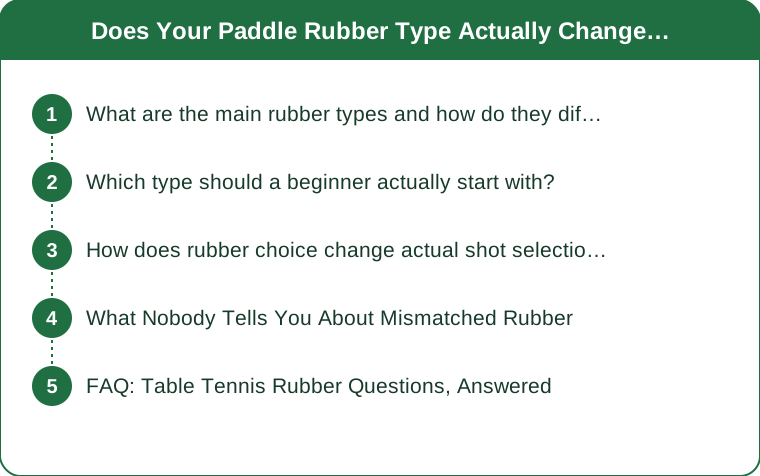
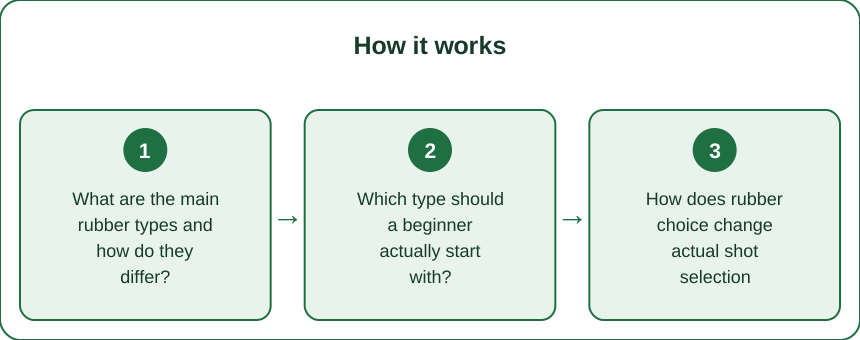
What are the main rubber types and how do they differ?
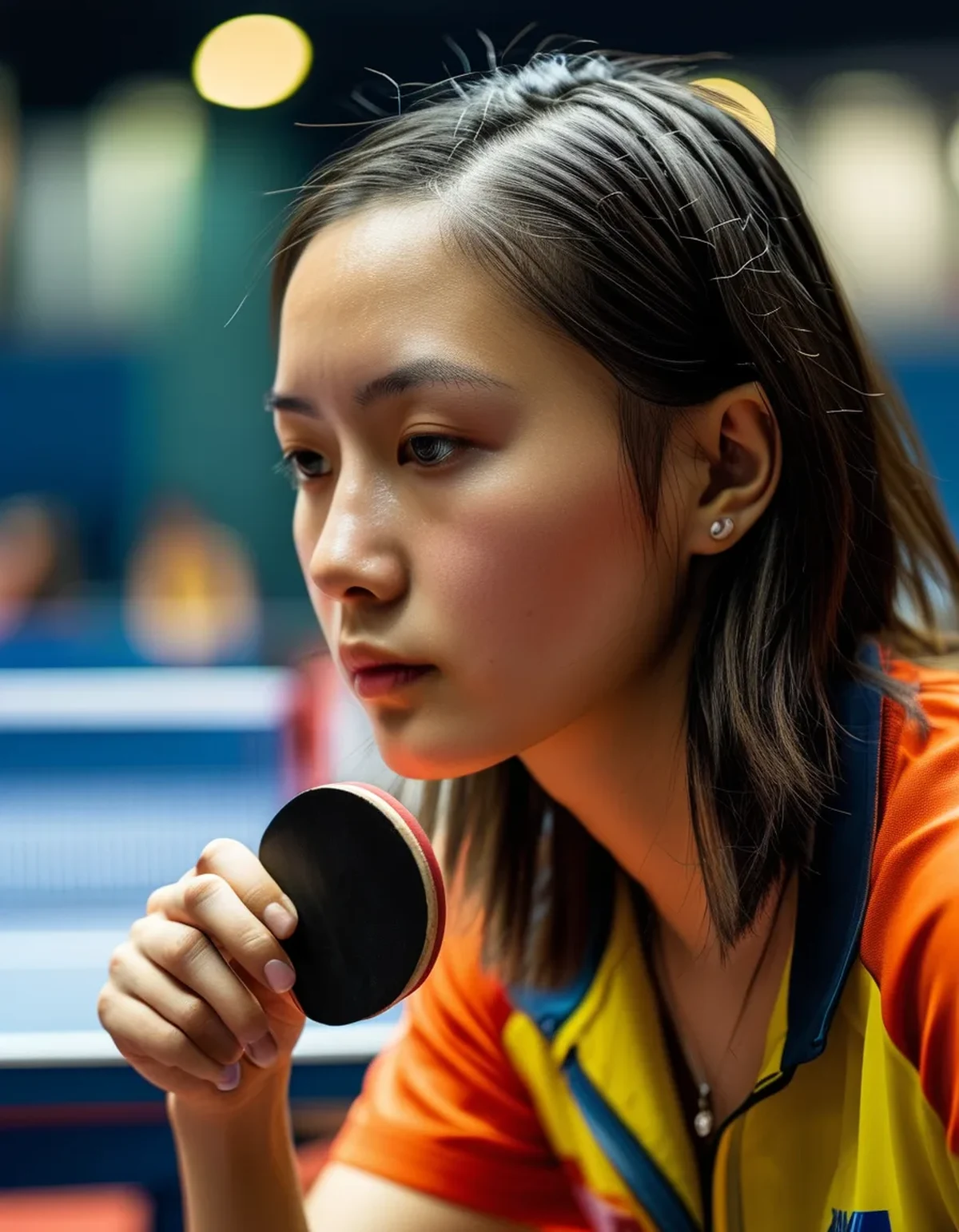
Inverted rubber (smooth, rubber-side-out) is the most common type, offering the widest range of spin generation and control — the standard choice for most modern playing styles, especially topspin-heavy loopers. Pips-out rubber (small nubs facing outward) generates less spin itself but is less affected by incoming spin, favoring a flatter, faster hitting style with less finesse-based control.
Long pips, a specialty variant, actively reverses and disrupts incoming spin, favored by a smaller group of defensive or disruptive-style players — a genuinely different tactical tool rather than a beginner default.
Which type should a beginner actually start with?
Inverted rubber on both sides is the widely recommended beginner default, since it teaches proper spin generation and control fundamentals that transfer to nearly every advanced style later. Starting with pips or long pips too early can build habits that don’t generalize well if you later want to develop a more standard topspin-based game.
Most beginner and intermediate paddles sold as a complete set come with inverted rubber pre-installed for exactly this reason.
How does rubber choice change actual shot selection mid-match?
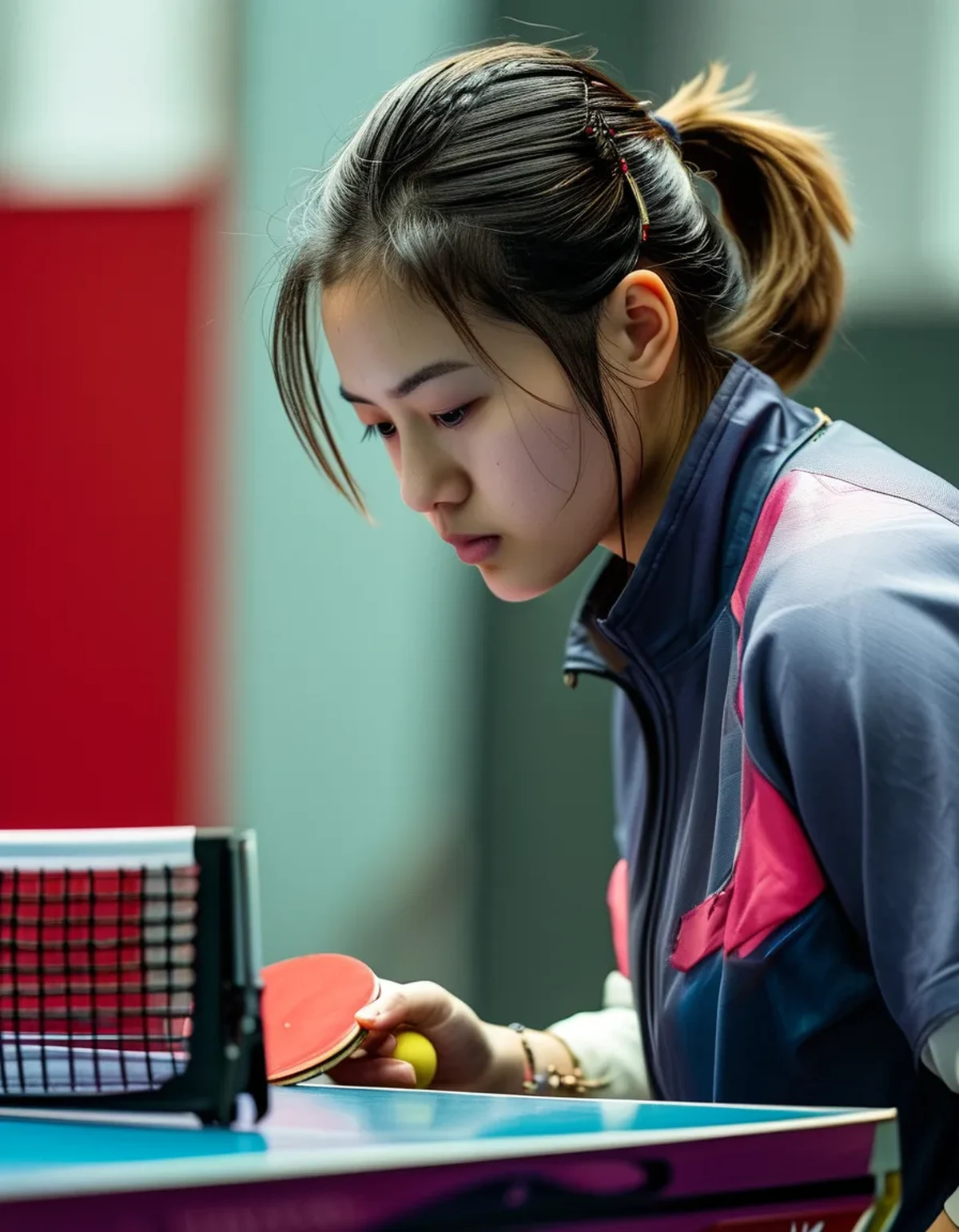
With inverted rubber, generating heavy topspin on a loop shot is straightforward and a core offensive weapon. With pips-out, that same heavy topspin shot becomes far less effective, but blocking and countering fast, flat shots becomes comparatively easier since the rubber doesn’t grab and amplify incoming spin the same way.
This is why players don’t simply pick rubber based on preference — it meaningfully shapes which shots become your strengths and which become harder to execute well.
What Nobody Tells You About Mismatched Rubber
Playing against an opponent using a rubber type very different from your own (especially long pips) disrupts your own spin reading in a way that catches many intermediate players off guard — a shot that would normally come back with predictable spin instead returns with reversed or dampened spin, which takes specific match experience to adjust to, not just general skill.
Also underrated: rubber wears out and loses grip/tackiness over months of regular play, gradually reducing spin generation even without visible damage — many recreational players play on rubber well past its effective lifespan without realizing performance has quietly declined.
FAQ: Table Tennis Rubber Questions, Answered
How often should rubber actually be replaced?
For regular players (a few times weekly), every 6-12 months is a common replacement window, though this varies with usage frequency and how well the rubber is cleaned and stored.
Can I use different rubber types on each side of my paddle?
Yes, and many intermediate-to-advanced players do exactly this — inverted on the forehand for spin and power, a different type on the backhand for a specific tactical purpose.
Does rubber thickness (sponge) matter as much as rubber type?
It matters too — thicker sponge generally adds speed and spin potential but reduces control margin, so beginners often start with a moderate thickness alongside standard inverted rubber.
TL;DR:
- Inverted rubber maximizes spin and control — the standard beginner and most-styles default
- Pips-out reduces spin sensitivity, favoring a faster, flatter hitting style instead
- Rubber choice shapes which shots become your strengths, not just how the paddle feels
- Rubber loses grip over months of play — many players use it well past its effective life
Keep Reading
This article is for general informational and styling purposes only. Fit, sizing, and product availability may vary.