The Home Table Tennis Setup: From Dining-Table Nets to a Real Home Table
Table tennis has the gentlest home-setup ladder in sports — from a twenty-dollar net strapped to the dining table to a folding tournament table — and every rung delivers the game’s brain-and-body benefits. The home-setup guide: the ladder, the buying craft and the solo systems.
The Entry Ladder
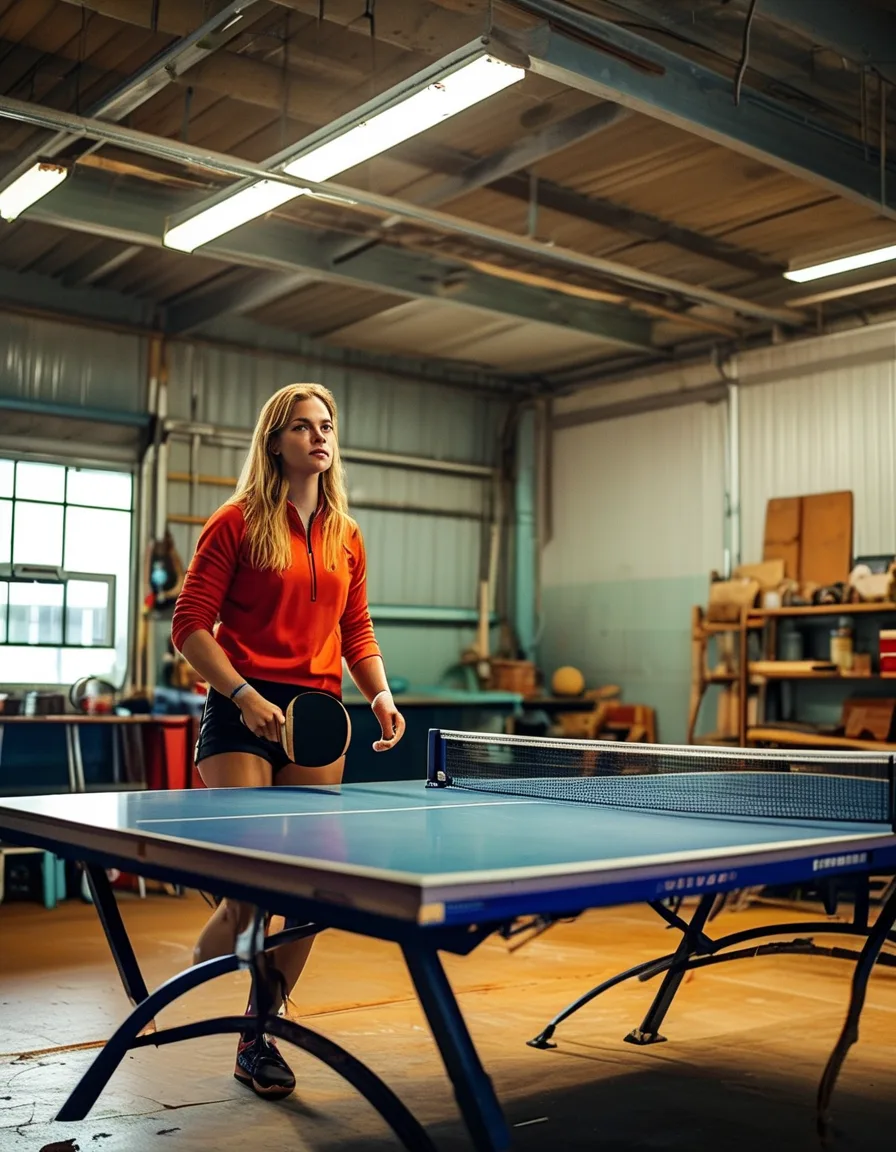
Starting where you are: the dining-table conversion (the retractable clip-on net turning any table into a court — the twenty-dollar proof-of-concept; the surface honesty: the bounce inconsistency accepted as the price of entry; the dinner-cleared ritual that becomes family culture), the mini-table tier (the compact and midsize tables for apartments — the two-thirds-scale games that keep reflexes and rallies; the fold-and-slide-under-bed models), the conversion-top option (the table-tennis top laid over a pool table or sturdy base — the space-sharing solution), the full-table graduation (the folding standard table as the destination purchase — the playback-position feature doubling as a solo wall per the solo doctrine), and the outdoor variant (the weatherproof composite tables for patios — the wind honesty: the outdoor game being its own charming chaos).
The Buying Craft
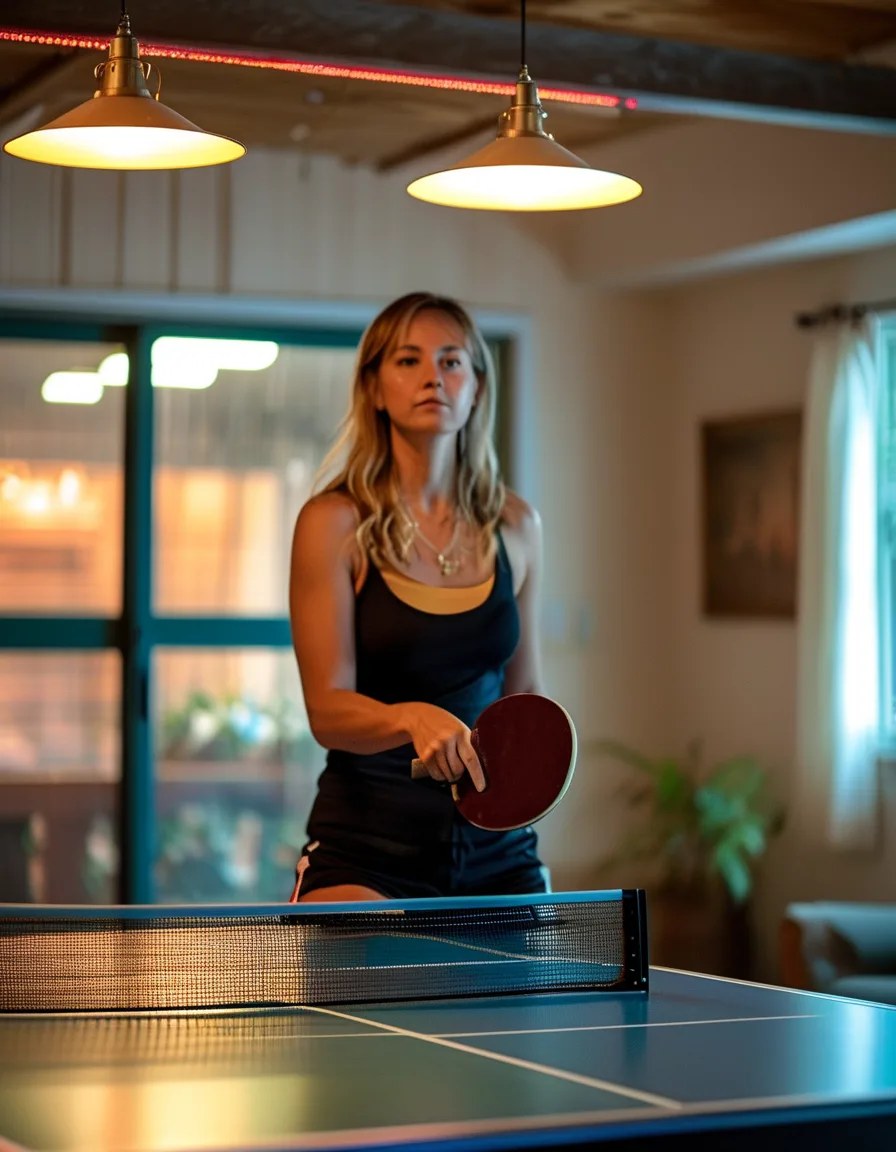
The full-table decision: the space math (the table’s 274x152cm plus the TWO-meter run-off each end minimum — the room measured honestly before the purchase; the garage-and-basement standards; the fold-away storage footprint checked), the top-thickness rule (the bounce quality living in the top — the 19mm-plus for real play, the 25mm tournament feel; the thin-top budget tables bouncing dead and disappointing), the undercarriage checks (the wheel-and-lock quality for the folding models — the playback-position stability; the leg levelers for imperfect floors), the net-and-accessories tier (the quality net set, the balls in bulk — the three-star standard from the gear doctrine; the paddle upgrade path from the beginner doctrine), the used-market wisdom (the barely-used table economy — the moving-sale standards; the top inspected for warp and water damage), and the budget map (the 300-600 dollar sweet spot for lasting home tables — the buy-once doctrine; the clip-net-first sequence that proves the habit before the investment).
The Solo-Practice Systems
Training without a partner: the playback position (the half-table folded up as the wall — the solo rally against the returning surface; the consistency drills: the forehand-hundred count games per the drill doctrine), the wall practice (the garage-wall rally for the tableless — the taped target zones; the touch-and-control builder), the shadow drills (the stroke rehearsal from the technique doctrine — the footwork patterns stepped without a ball; the mirror check), the robot-and-return options (the budget ball machines and the return boards for the committed — the serve-practice bucket being the free version: the fifty serves daily that transform match play per the serve doctrine), the fitness integration (the footwork ladders and split-step drills from the agility doctrine — the table tennis as the brain-body workout from the benefits doctrine; the solo sessions counting as real training), and the family-culture close (the home table as the screen-time rival — the after-dinner game institution from the family doctrine; the tournament ladder on the fridge; the twenty-dollar net that becomes the house’s most-used equipment; the rally, always one clear-the-table away). Clip-net first, 19mm top when ready, fifty serves a day: the home court, built rung by rung.
Start with a $20 clip-on net on the dining table; graduate to a folding table with a 19mm+ top and two meters of run-off each end. The playback position and a daily fifty-serve bucket make solo practice real training.
Keep Reading
This article is for general informational and styling purposes only. Fit, sizing, and product availability may vary.